2026年2月11日|哈佛课程
唐冠华在美国哈佛大学设计研究生院(GSD)《学科弹性与替代性实践》课上,进行了3小时左右的讲演和交流。介绍了家园计划(AnotherLand)和赤岸共识社区实验的一些近况。
2026 Edition of Disciplinary Elasticity and Alternative Practice, at Harvard’s Graduate School of Design (GSD).
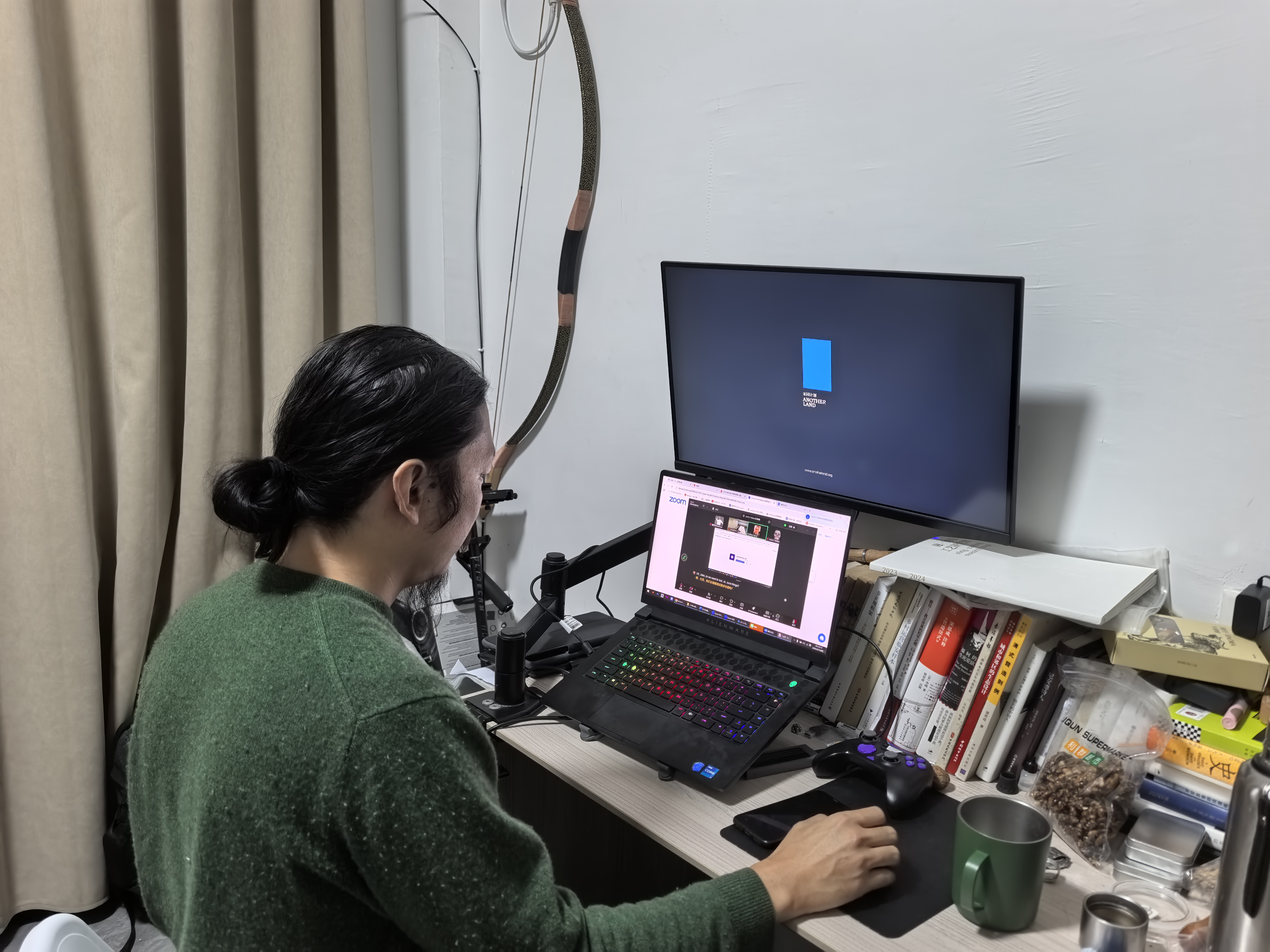
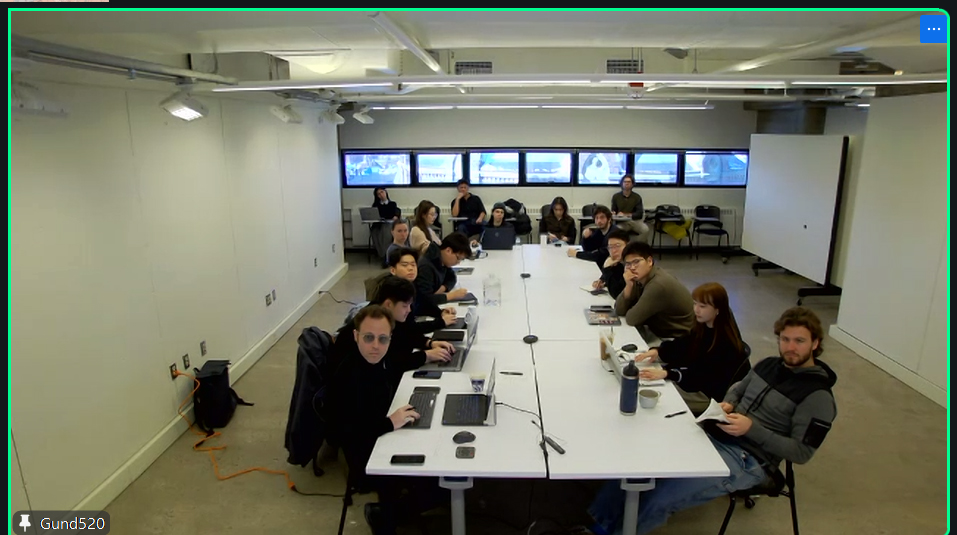
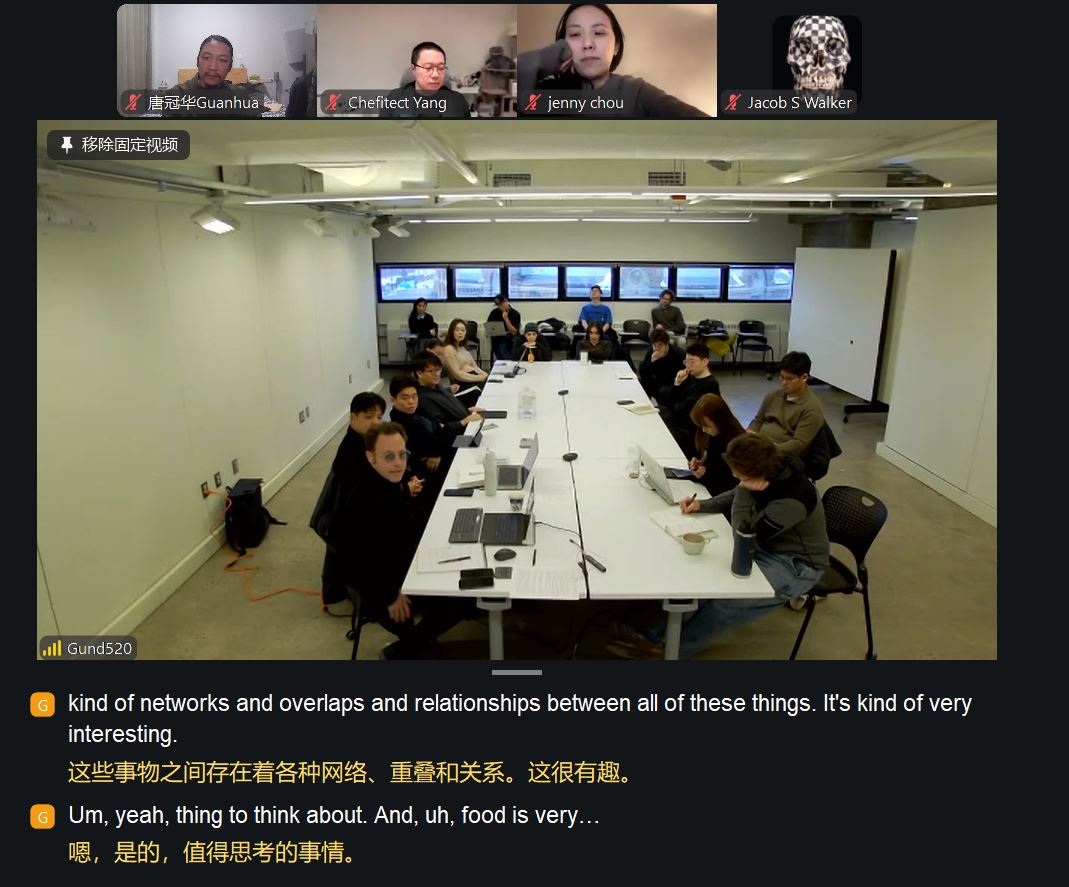

唐冠华在美国哈佛大学设计研究生院(GSD)《学科弹性与替代性实践》课上,进行了3小时左右的讲演和交流。介绍了家园计划(AnotherLand)和赤岸共识社区实验的一些近况。
2026 Edition of Disciplinary Elasticity and Alternative Practice, at Harvard’s Graduate School of Design (GSD).

儿童教育实践者侯磊与可持续生活探索者菁莪到访赤岸社区。
唐冠华在制作多元生活地图小程序,并与伙伴们共同测试和升级。在多元生活地图APP中,推出了数字礼券:共识券。目前还在内测中。
共识券白皮书 (V1.0)
The Consensus Voucher (CV) Whitepaper
——基于地理网格的多元价值流通与共识协作协议
摘要 (Abstract)
旨在联合世界各地不同类型的共识社区,通过发布具有鼓励分享与实践精神的工作任务,向完成任务者颁发一种专用于交换全球各国通行货币无法购买的服务、体验或作品的数字礼券,称之为:共识券(Consensus Vouchers)。
我们将地球表面划分为 4.25 亿个独立的六边形蜂巢社区。根据邓巴数300人的熟人社交极限理论,设定每个社区最多由300位居民共治,为每个社区发行300张初始“共识券”(Consensus Voucher)。这些券无法购买,只能通过为社区做贡献(任务)产生,并通过全球互助(礼物)进行流通。
本项目旨在通过“地理锚定+邓巴数社交+共识证明”,重塑多元差异观念间的信任与价值交换网络。
1.2 邓巴数与小圈子 (The Dunbar’s Limit)
人类智力允许的稳定社交网络上限约为 150-300 人。 传统元宇宙追求无限大的城市,导致社交崩溃和情感淡漠。我们反其道而行之,严格限制每个社区的人口上限为300人。只有在一个熟人社会中,共识才可能是真实且有深度的。
1.3 价值源于流动 (Value in Flow)
共识券不是囤积的黄金,而是流动的能量。它诞生于社区内部的建设(任务),升华于社区之间的善意传递(礼物)。
2.1 蜂巢单元 (The Unit)
每个基础网格单元总面积为1.2平方公里,包含两个部分:
内核区 (Core, 0.3 km²):人类活动、建设、社交的核心区域。
缓冲带 (Buffer, 0.9 km²):环绕内核的隔离区域(海洋、森林、荒野)。
2.2 完美的隔离 (The Perfect Isolation)
基于“1:3 占空比”设计。任何两个社区之间,都至少隔着相当于社区直径宽度的无人地带。这确保了每个社区都是一座“独立岛屿”,拥有绝对的隐私、独立的主权和极高的稀缺性。
3.1 总量与发行 (Supply)
全球硬顶: 1,275 亿 (127.5 Billion)
锚定逻辑: 4.25 亿社区 × 300 券/社区。
发行机制: 绝不预挖,绝不私募。所有券都封印在各个社区的“创世金库”中。
3.2 产出机制:贡献即挖矿 (Proof of Contribution)
每个社区的300张初始券,必须通过合规的“贡献行为”被开采出来:
基础任务: 例如分享技能、思想,协助建造、种植,赞助物资等。
验证机制: 需社区内其他成员(见证人)点击确认。
挖矿枯竭: 当300张券被全部挖出,该社区进入“成熟期”,不再产生新券,必须通过贸易获取外部券。
3.3 价值单位
1CV=1个标准贡献单位。
0.001CV,用于日常微任务结算。
4.1 任务系统 (Tasks) —— 产生共识
任务是共识券的唯一来源。
场景示例: 社区发布“寻找遗失的流浪猫(上传照片)”任务,悬赏0.2CV。用户完成任务,共识达成,系统从金库(或个人钱包)划转0.2CV给执行者。
4.2 礼物系统 (Gifts) —— 流通共识
礼物是跨社区交互的载体。
特产化礼物: 每个社区可创造属于自己的礼物(用其他法定货币无法交换的物品或服务)。
服务化礼物: 语言教学、向导服务、情感咨询、知识分享等。
流通逻辑: A社区用户支付CV购买B社区的礼物 -> CV 跨越国界流入B社区 -> B社区获得购买力。
5.2 全球生态
互不干涉原则: 物理隔离带保障了不同文化、信仰的社区可以毗邻而居但互不干扰。
5.3 哈希链加密
公共监督验证全部交易数据安全性。在本地图应用中,包括管理员在内,任何人无权改动任何共识券交易数据。每条审计记录包含前一笔记录的哈希值、当前交易详情和时间戳。系统使用SHA-256加密算法计算当前记录的哈希值:Hash=SHA256(前一笔哈希 + 交易详情 + 时间戳)。这样每条记录都与前一条记录形成加密链接,形成不可断裂的哈希链。
Consensus Voucher Whitepaper (V1.0)
The Consensus Voucher (CV) Whitepaper
——A Geographic Grid-Based Protocol for Multi-Value Circulation and Consensus Collaboration
Abstract
This project aims to unite diverse consensus communities worldwide by publishing tasks that encourage sharing and practical engagement. Upon completion, participants are awarded a digital voucher called the Consensus Voucher (CV), designed specifically for exchanging services, experiences, or creations that cannot be purchased with any traditional global currency.
We divide the Earth's surface into 425 million independent hexagonal hive communities. Based on Dunbar's number theory—which suggests a cognitive limit of approximately 300 stable social relationships—each community is capped at 300 residents for collective governance. Accordingly, 300 initial Consensus Vouchers (CV) are issued per community. These vouchers cannot be bought; they are generated solely through contributions (tasks) to the community and circulate via global mutual aid (gifts).
This initiative seeks to reshape trust and value-exchange networks among diverse perspectives through the framework of "Geographic Anchoring + Dunbar's Number Social Dynamics + Proof of Consensus."
1.2 The Dunbar’s Limit & Small Circles
The human cognitive capacity for stable social networks is limited to about 150–300 individuals. While traditional metaverse designs pursue infinitely large cities—leading to social fragmentation and emotional detachment—we take the opposite approach by strictly capping each community at 300 members. Only within a familiar, small-scale society can consensus be genuine and profound.
1.3 Value in Flow
Consensus Vouchers are not hoarded like gold but function as flowing energy. They are born from constructive actions within a community (tasks) and elevated through the transfer of goodwill between communities (gifts).
2.1 The Unit
Each basic grid unit covers a total area of 1.2 square kilometers, divided into two parts:
Core (0.3 km²): The central zone for human activity, development, and social interaction.
Buffer (0.9 km²): A surrounding isolation belt (e.g., ocean, forest, wilderness).
2.2 The Perfect Isolation
Based on a "1:3 Duty Cycle" design, any two communities are separated by a no-man’s-land at least equivalent to the diameter of a community. This ensures each community functions as an "independent island," endowed with absolute privacy, sovereign autonomy, and high scarcity.
3.1 Supply & Distribution
Global Hard Cap: 127.5 Billion CV
Anchoring Logic: 425 million communities × 300 CV per community.
Distribution Mechanism: No pre-mining, no private sales. All vouchers are initially sealed within each community’s "Genesis Treasury."
3.2 Generation Mechanism: Proof of Contribution
Each community’s 300 initial CV must be "mined" through compliant "contributory actions":
Basic Tasks: Sharing skills or ideas, assisting in construction or planting, sponsoring materials, etc.
Verification: Requires confirmation clicks from other community members (witnesses).
Mining Exhaustion: Once all 300 CV are mined, the community enters a "mature phase," ceasing new CV generation and relying on trade to acquire external vouchers.
3.3 Value Units
1 CV = 1 standard contribution unit.
0.001 CV = Used for settling daily micro-tasks.
4.1 Task System — Generating Consensus
Tasks are the exclusive source of CV.
Example Scenario: A community posts a task: "Find a lost stray cat (upload photo)," with a bounty of 0.2 CV. Upon completion, consensus is achieved, and the system transfers 0.2 CV from the treasury (or personal wallet) to the executor.
4.2 Gift System — Circulating Consensus
Gifts serve as the medium for cross-community interaction.
Specialty Gifts: Each community can create unique gifts (items or services unavailable for purchase with traditional currency).
Service Gifts: Language teaching, guide services, emotional counseling, knowledge sharing, etc.
Circulation Logic: User from Community A pays CV to purchase a gift from Community B → CV crosses borders into Community B → Community B gains purchasing power.
5.2 Global Ecosystem
Principle of Non-Interference: Physical buffer zones ensure communities of different cultures and beliefs can coexist as neighbors without disruption.
5.3 Hash Chain Encryption
Public oversight verifies the security of all transaction data. Within the platform—including administrators—no one has the authority to alter any CV transaction data. Each audit record contains the hash of the previous record, current transaction details, and a timestamp. The system uses the SHA-256 encryption algorithm to compute the hash of the current record:
Hash = SHA256(Previous Hash + Transaction Details + Timestamp).
This creates an encrypted link between each record and the preceding one, forming an unbreakable hash chain.